Free career training programs provide individuals with essential skills and knowledge at no cost, helping them improve their job prospects and advance in their careers.
Free career training in the U.S. opens doors to new opportunities. Have you considered how these programs can change your life? Let’s dive into the options available to you.
Understanding free career training options
Understanding free career training options is essential for anyone looking to enhance their skills and improve their job prospects. Many people are unaware of the various programs available that can help them gain valuable training without any cost.
Types of Free Career Training Programs
There are several types of training programs available, each catering to different needs and career paths. Some of these include:
- Community college courses
- Online learning platforms
- Workforce development programs
- Nonprofit organizations offering vocational training
Exploring these options is crucial for maximizing your potential. Free training can be an effective way to gain certifications or learn new skills that employers value.
How to Access These Programs
Accessing free career training can be straightforward if you know where to look. Many local vocational schools or community colleges provide resources and information about available programs.
- Check your local library for resources.
- Visit community centers.
- Explore government job training websites.
- Ask around in your network; friends or family may have insights.
Networking can also play a crucial role. Talking to people in your desired field may unveil hidden opportunities that can lead to free training.
It’s vital to remember that while programs may be free, they often require commitment and effort. Participation in these programs can lead to significant advancements in your career.
How to find programs near you
Finding career training programs near you can seem overwhelming, but several resources make it easier than you think. Knowing where to look is the first step to unlocking new opportunities.
Online Resources
Various online platforms offer information about free programs in your area. Websites like Job Training Administration and local community college websites are excellent starting points.
- Use search engines to look for “free career training in [your location].”
- Check social media groups focused on local job opportunities.
- Look for community forums that share resources.
These platforms can connect you with training offered in local institutions or through online courses.
Local Community Centers
Your neighborhood community centers often host career training programs. They may provide free workshops and courses tailored to the needs of local job seekers.
It’s worth visiting or calling these centers to find out what they offer. Additionally, they may have bulletin boards with flyers or information on upcoming events that include training opportunities.
Don’t hesitate to reach out to local libraries as well. Libraries frequently have career resources and may hold classes on skills relevant to the job market.
Connecting with local organizations that focus on workforce development can be incredibly beneficial. They often have partnerships with employers and can guide you toward available training that meets industry needs.
Eligibility criteria for free training
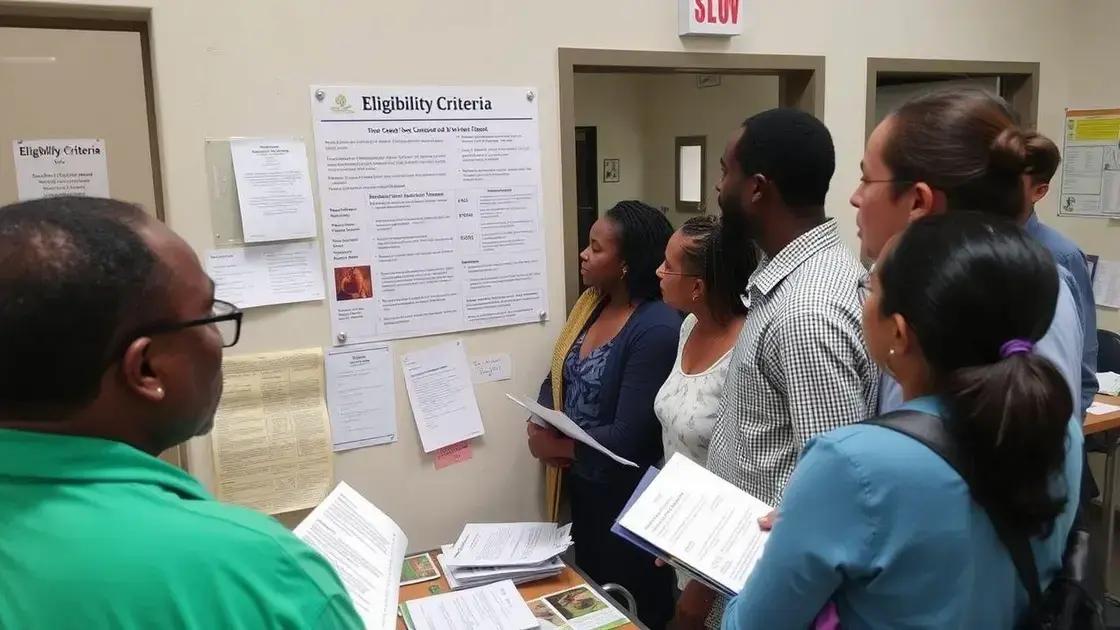
Understanding the eligibility criteria for free training is key to accessing valuable resources. Many programs have specific requirements that determine if you qualify for their offerings.
Common Eligibility Requirements
Most free training programs will require certain criteria to be met. Here are some common eligibility factors:
- Age requirements, often 18 years or older
- Residency status, depending on the location of the program
- Income level, particularly for programs aimed at low-income individuals
- Educational background, such as having a high school diploma or equivalent
Knowing these criteria can help you determine if you can take advantage of these opportunities.
Additional Considerations
Aside from the standard criteria, some programs may look at your goals and commitment to completing the training. This could include an application process where you demonstrate your interests and how the training aligns with your career aspirations.
Additionally, organizations may require you to attend an informational session or orientation before enrolling. This helps ensure that you are a good fit for the program and that the training meets your needs.
It’s crucial to gather as much information as possible before applying. This can help streamline your application process and increase your chances of being accepted into a free training program.
Success stories from participants
Success stories from participants of free career training programs can inspire others looking to improve their job prospects. These real-life experiences showcase how individuals transformed their careers through available resources.
Real Examples of Transformation
Consider the story of Maria, who enrolled in a local community college program. After completing her free training in healthcare, she secured a position as a medical assistant. Maria credits the program for providing her with the skills and confidence needed to enter the workforce.
Another participant, John, found himself unemployed during the pandemic. He took advantage of an online coding bootcamp that was offered at no cost. By the end of the program, John was able to land a job as a software developer, a role that he loves.
Common Threads in Success
Many successful participants share a few common traits. They all had:
- A willingness to learn and adapt
- A supportive network cheering them on
- A clear goal of what they wanted to achieve
- Determination to persist despite challenges
These stories remind us that with the right resources and mindset, personal and professional growth is attainable.
Encouraging others by sharing success stories emphasizes the impact that free training programs can have on individuals and their communities. As more people discover these opportunities, the potential for positive change continues to grow.
Leveraging free training for career advancement
Leveraging free training for career advancement is an effective way to increase your skills and marketability. Many individuals do not realize how valuable these programs can be for their professional growth.
Identify Your Goals
Before enrolling in any free training, take the time to clearly identify your career goals. Understanding what you want to achieve will help you choose the right course or program. Whether it’s gaining new skills, earning a certification, or changing career paths, having a clear objective is essential.
Select Relevant Programs
Once you know your goals, look for free training options that match those goals. Many programs focus on high-demand skills, such as:
- Technology and computer science
- Healthcare and medical assistance
- Trade skills like plumbing or electrical work
- Customer service and management
Choosing a program that aligns with your ambitions can enhance your ability to secure a desirable position.
Networking Opportunities
While participating in free training, take advantage of networking opportunities. Many programs include workshops and group activities where you can meet other participants and instructors. Forming connections with others can lead to job referrals and mentorship.
Additionally, sharing your journey on professional platforms like LinkedIn can draw attention from potential employers. Showcasing your free training experiences can enhance your profile and demonstrate your commitment to personal growth.
Finally, remember to actively seek feedback from instructors and peers during your training. This input can help you improve your skills and prepare you for future opportunities.
In summary, free career training programs offer valuable opportunities for individuals looking to enhance their skills and advance their careers. Participants can find various programs based on their interests and goals. By taking advantage of these resources, setting clear objectives, and networking effectively, anyone can leverage these training options to improve their employment prospects. These programs not only equip individuals with essential skills but also encourage personal growth and community engagement.
FAQ – Questions about Free Career Training Programs
What are free career training programs?
Free career training programs are educational opportunities that provide skills and knowledge without charge, helping individuals improve their employment prospects.
How can I find free training programs near me?
You can find free training programs by searching online, checking local community centers, and exploring resources provided by libraries and workforce development organizations.
What are the eligibility requirements for these programs?
Eligibility varies by program but often includes factors like age, residency, income level, and educational background.
Can these training programs help with job placement?
Yes, many free training programs offer job placement assistance, networking opportunities, and support to help participants secure employment after completion.