Government phone programs provide affordable phones and services to eligible individuals, improving access to communication through a variety of devices, including smartphones and basic phones.
Government phone programs available are designed to offer affordable communication solutions for those in need. Have you ever wondered how these programs work and who qualifies? In this article, we’ll uncover the essential details you need to navigate these opportunities.
Understanding government phone programs
Understanding government phone programs is essential for anyone seeking affordable communication options. These programs aim to bridge the digital divide and provide necessary resources to those who qualify.
To start, it’s important to know what these programs typically entail. Generally, they offer subsidized cell phones or discounted service plans to individuals who meet the eligibility criteria.
Key Features of Government Phone Programs
These programs have several defining characteristics that enhance accessibility for users:
- Substantial discounts on phone services.
- Availability of free or low-cost smartphones.
- Support for various communication needs, including texting and data usage.
Many people ask how to qualify for these programs. Eligibility often depends on income levels or participation in certain assistance programs. By meeting specific criteria, individuals can unlock these valuable resources.
How Eligibility is Determined
Each program might have different requirements, but the common factors include:
- Income must be at or below a specific level.
- Participation in government assistance programs, such as SNAP or Medicaid.
- Residency in the state where the program is available.
Understanding the ins and outs of these programs can seem daunting. However, once you familiarize yourself with how they function, applying for assistance becomes much simpler. You may even find that the government phone programs can greatly improve your communication access.
Eligibility requirements for assistance
Determining eligibility for assistance in government phone programs is crucial for individuals seeking affordable communication options. Understanding these requirements can make the application process smoother and more effective.
Generally, most programs have specific criteria that applicants must meet. These criteria often include factors such as income levels and participation in other government assistance programs. Each program may vary slightly, but the underlying principles are consistent.
Common Eligibility Requirements
The most common requirements include the following:
- Household income must be at or below 135% of the Federal Poverty Guidelines.
- Participation in federal or state assistance programs, like Medicaid or Supplemental Nutrition Assistance Program (SNAP).
- U.S. citizenship or lawful residency status.
To apply, potential users should have documents that prove their income or participation in assistance programs. These may include pay stubs, tax documents, or letters from agencies confirming assistance.
Verifying Your Eligibility
Verification is often a part of the application process. This helps ensure that only eligible individuals benefit from the government phone programs. Applicants may need to provide:
- Proof of income, such as bank statements or tax returns.
- Identification documents, like a driver’s license or Social Security card.
- Any relevant documentation of disability or special needs, if applicable.
Understanding these eligibility requirements is essential. By preparing necessary documents in advance, applicants can avoid delays and feel confident about their submissions.
Types of phones and services offered
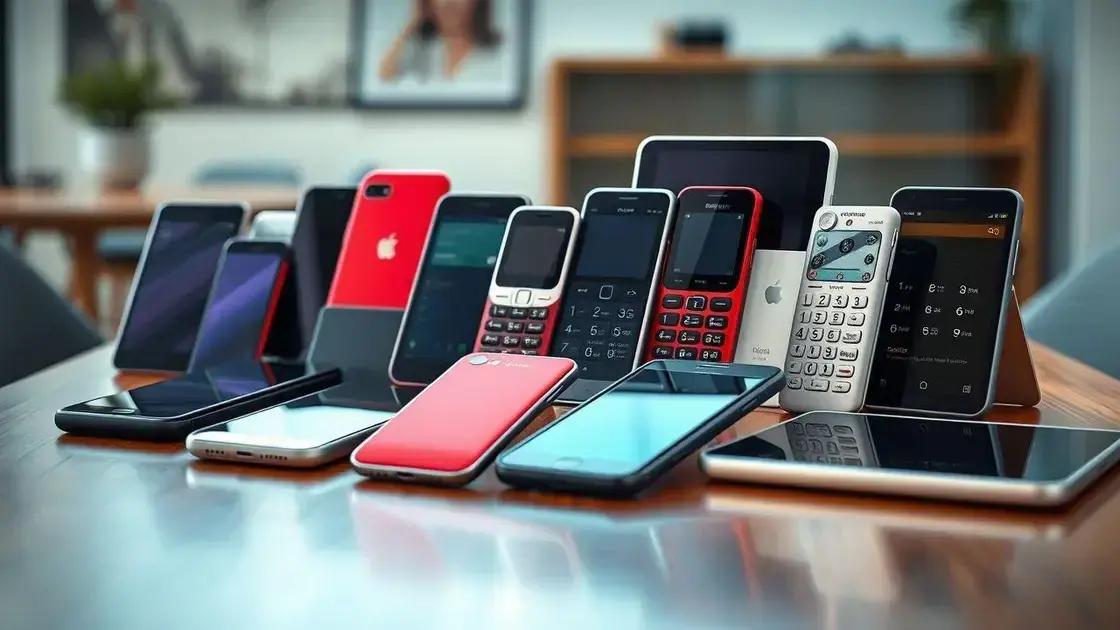
The types of phones and services offered through government phone programs vary widely, catering to different needs and preferences. Understanding these options can help individuals choose the best fit for their communication requirements.
Many programs provide a variety of devices, including basic phones, smartphones, and even tablets. Each type of device has its advantages, allowing users to select based on their usage and budget.
Available Phone Options
The most common phone options include:
- Basic phones: Ideal for users who primarily need voice calls and texts.
- Smartphones: These devices offer advanced features, including internet access, apps, and cameras.
- Tablets: Some programs may provide tablets, which can be useful for internet access on a larger screen.
Choosing the right phone often depends on user needs. For instance, someone who mainly texts may prefer a basic phone, while someone who needs online access might opt for a smartphone.
Services Included
The services offered alongside the devices are equally important. Most government phone programs provide:
- Monthly service plans: Users often receive a certain number of minutes, texts, and data.
- Unlimited texting: Some plans allow unlimited texting to enhance communication.
- Free or discounted data: Essential for those relying on smartphones for internet connectivity.
Understanding the types of phones and services available can empower users to make informed decisions about their communication tools. With various options at their disposal, individuals can find a solution that best meets their needs.
How to apply for government phone programs
Applying for government phone programs can seem overwhelming, but it doesn’t have to be. The application process is designed to be straightforward, helping those in need access affordable communication solutions.
The first step is to gather necessary information. Applicants should have personal details ready, such as names, addresses, and income information. It’s also helpful to have documentation ready to verify eligibility.
Application Steps
Here are the basic steps involved in applying:
- Research: Look up available programs in your state and understand their eligibility criteria.
- Gather documents: Prepare your proof of income and identification.
- Fill out the application: This can often be done online, over the phone, or by mail.
Once the application is submitted, it will be reviewed to determine eligibility. It’s important to ensure all information is accurate to avoid delays in processing.
What to Expect After Applying
After submission, applicants may receive a confirmation call or email. This step is crucial as it ensures your application is being processed. Sometimes, additional information might be needed.
Waiting for approval can take some time, often between a few days to a couple of weeks. During this time, individuals should keep a lookout for any correspondence from the program.
In conclusion, knowing how to apply for government phone programs can empower individuals to take advantage of these critical resources for communication. With the right preparation, the process can lead to valuable support.
Success stories from program beneficiaries
Success stories from program beneficiaries highlight the real-world impact of government phone programs. These narratives not only inspire others but also show how access to communication can change lives.
Many individuals have shared their experiences using government-supported phones and services. For example, some beneficiaries report being able to connect with family and friends more easily. This is especially important for those who may have previously struggled with high phone bills.
Real-Life Experiences
Several key themes emerge from these success stories:
- Improved Communication: Access to a reliable phone has helped many maintain important relationships.
- Career Opportunities: Some beneficiaries have found jobs thanks to better accessibility. Employers can reach them easily for interviews.
- Emergency Readiness: Having a phone allows individuals to call for help in emergencies, enhancing their safety.
One story from a single mother illustrates this. After receiving a smartphone through the program, she could stay in touch with her children’s school and coordinate activities. This created a better support system for her family.
Community Impact
Beyond individual stories, the overall community benefits. When more people have access to communication tools, they can engage more actively in local events and services. This strengthens community ties and fosters support networks.
These positive impacts show how government phone programs empower individuals and communities. By gaining access to communication tools, beneficiaries can transform their lives and those of others around them.
FAQ – Frequently Asked Questions about Government Phone Programs
What types of phones are available through government phone programs?
Government phone programs typically offer basic phones, smartphones, and sometimes tablets, catering to different communication needs.
How can I apply for a government phone program?
To apply, gather necessary documents such as proof of income and identification, then fill out the application online, by phone, or via mail.
What services do government phone programs provide?
These programs usually include monthly service plans with minutes, texts, and data, often at reduced costs or for free.
Are there success stories from beneficiaries of these programs?
Yes, many beneficiaries have shared positive experiences, highlighting improved communication, job opportunities, and enhanced community engagement.