Free medical care for low-income residents provides essential health services, including primary care, preventive services, and mental health support, ensuring access to healthcare for those in need.
Free medical care for low-income residents can make a world of difference when it comes to accessing necessary healthcare services. Are you aware of the resources available to ensure everyone gets the care they deserve?
Understanding free medical care programs
Understanding free medical care programs can empower low-income residents to receive vital health services. These programs are designed to support individuals who may not have the financial means to pay for healthcare. Discover the variety of services available and how to access them.
Types of Free Medical Care Programs
There are several types of programs designed to provide free medical care to those in need. Each program may target specific populations or health issues.
- Community Health Centers: These centers offer basic health services to low-income residents, often regardless of insurance.
- Medicaid: A government program that provides free healthcare to eligible low-income individuals.
- Sliding Scale Clinics: Some clinics offer services on a sliding fee scale based on income, providing affordable options.
- Free Health Fairs: Often organized by non-profits, these events provide basic health screenings and information.
Each of these options presents unique benefits. Community health centers, for example, typically include services like dental and mental health care. Understanding these options can help individuals make informed choices regarding their health.
How to Qualify for Free Medical Care
To qualify for free medical care programs, residents usually need to meet specific income criteria. Many programs require proof of income, residency, and sometimes family size. Gathering this information can be the first step in accessing necessary care.
Additionally, each program may have distinct eligibility requirements that reflect local needs. Checking local resources and community organizations can provide clarity on what programs are available.
Consider reaching out to local health departments or non-profits for assistance. They can help guide potential patients through the application process and ensure they receive the services they need.
Eligibility criteria for low-income residents
Eligibility criteria for low-income residents play a crucial role in accessing free medical care. Understanding these criteria can help individuals determine if they qualify for necessary health services.
Common Eligibility Requirements
To qualify for free medical care, residents typically need to meet specific income thresholds, which can vary slightly from one program to another. Income limits are often based on the federal poverty level.
- Income Verification: Many programs require residents to provide proof of income through pay stubs or tax returns.
- Residency: Applicants may need to demonstrate that they reside in the area where they seek assistance.
- Family Size: The number of individuals in a household can affect income eligibility.
Gathering the required documentation beforehand can streamline the application process. Knowing these points can empower individuals to seek help more effectively.
Additional Considerations
While income is a primary factor, other elements may also affect eligibility. Some programs may cater exclusively to families, seniors, or those with specific health conditions. Understanding these nuances can provide clarity for applicants.
Additionally, reaching out to local health departments or non-profit organizations is beneficial. They can provide precise information on eligibility requirements and help guide residents through the application process.
By being informed about the eligibility criteria, individuals can more easily access the vital care they need.
How to apply for free medical services
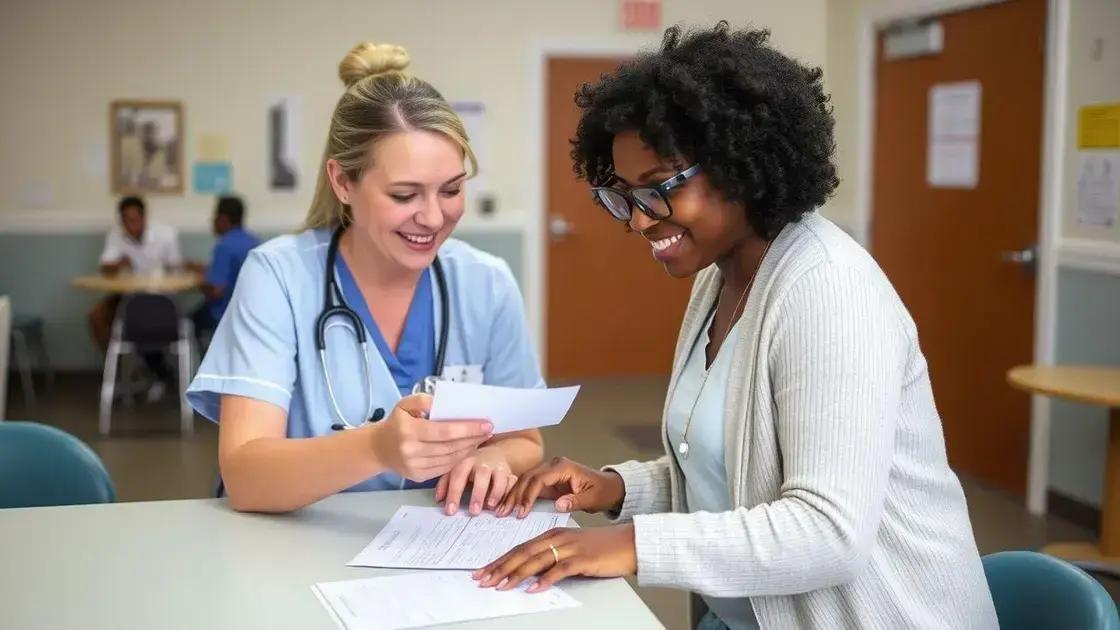
Applying for free medical services can seem challenging, but understanding the process makes it easier. Knowing the steps involved can help you access the healthcare you need.
Steps to Apply
To start, gather the necessary documents. This usually includes proof of income, residency, and your identification. These documents help verify your eligibility for free medical care. Next, identify the programs that serve your area.
- Research local community health centers that offer services.
- Visit state or county health department websites for information about available programs.
- Contact local non-profits that may assist with healthcare services.
Once you have the information, fill out the application forms for the programs you qualify for. These applications can often be submitted online, by mail, or in person. Pay attention to deadlines and required forms to ensure your application is complete.
Follow-Up
After submitting your application, it’s important to follow up. This can be done by calling the organization directly to check on your application status. It may take some time to process; being proactive can help speed up the process.
Additionally, reaching out for assistance from local advocacy groups can provide you with support throughout your application journey. They can guide you through any challenges and answer your questions, making the process smoother.
Common services offered under free care
Free medical care programs offer a variety of essential services for low-income residents. Understanding these common services can help individuals access the healthcare they need.
Types of Services
These programs often provide a wide range of medical services aimed at addressing fundamental health needs. Knowing what services are available can greatly assist those seeking help.
- Primary Care: Routine check-ups and general health assessments.
- Preventive Care: Services such as vaccinations and screenings to help prevent illnesses.
- Mental Health Services: Access to counseling and therapy for mental well-being.
- Dental Care: Basic dental services, including cleanings and extractions.
Access to these services can significantly improve an individual’s overall health. For example, regular preventive care can catch potential issues before they become severe.
Additional Benefits
Alongside medical services, many free care programs also provide educational resources. These resources aim to promote healthy lifestyles and inform residents about available health services. Community health workers often organize workshops and outreach programs to educate the public.
Furthermore, some programs offer assistance with medications. This can include discounts or even free prescriptions, making treatment more affordable.
Understanding the complete range of services available is crucial for anyone seeking help through free medical care. Residents should utilize local resources to take full advantage of the support being offered.
Impact of free medical care on communities
The impact of free medical care on communities is profound and far-reaching. Access to these services can transform not only individuals but also the overall health of entire neighborhoods.
Health Improvements
One of the most significant effects is the improvement in public health. When residents have access to free medical care, they are more likely to seek routine check-ups and preventive services. This leads to early detection of health issues and reduces the severity of illnesses.
- Reduced hospitalizations due to better management of chronic conditions.
- Lower rates of communicable diseases through vaccinations and prevention programs.
- Improved mental health in the community due to accessible counseling and services.
By ensuring that everyone has the opportunity to receive care, communities can enjoy an overall healthier population.
Economic Benefits
Moreover, free medical care can bring about economic advantages. When people are healthier, they can work more effectively and frequently. This improves productivity and can boost local economies. Additionally, lower healthcare costs can relieve financial pressure on families, allowing them to spend more on other essential needs.
Access to healthcare also helps reduce emergency room visits, lowering operational costs for local healthcare systems. This can lead to reinvestment in other community services, further enhancing quality of life.
In summary, the presence of free medical care fosters not just health but strengthens the fabric of the community. Healthy residents contribute to thriving neighborhoods, creating a positive cycle of improvement.
FAQ – Frequently Asked Questions about Free Medical Care for Low-Income Residents
What is free medical care?
Free medical care refers to health services provided at no cost to individuals who meet specific income and eligibility criteria.
How do I find free medical care in my area?
You can find free medical care by researching local community health centers, state health department websites, and contacting non-profit organizations.
Who qualifies for free medical services?
Eligibility typically depends on income level, residency, and sometimes family size. Many programs use federal poverty guidelines.
What services are typically offered under free medical care?
Common services include primary care, preventive care, mental health services, and dental care, all aimed at improving community health.