California fire incident reports provide vital information for understanding wildfire impacts, ensuring community safety, and guiding response strategies through collaboration among various agencies and technological innovations.
California fire incident reports play a vital role in keeping the public informed about wildfires across the state. As these incidents can affect many lives, staying updated is essential.
Overview of recent fire incidents in California
California has faced numerous fire incidents recently, making headlines and raising concerns among residents. Understanding the scope and details of these events is crucial for safety and preparedness.
Recent Statistics
In the past year, incidents have increased dramatically, leading to significant property damage and safety risks. During 2022 alone, California experienced over 8,000 fires, affecting thousands of acres. These fires not only threaten wildlife but also pose severe risks to homes and communities.
Major Fire Events
Among the most notable incidents, the August Complex Fire last year burned over 1 million acres. This fire was one of the largest in California’s history, prompting evacuations and heavy firefighting efforts.
- California wildfires have led to air quality alerts across several regions.
- Significant resources are allocated each year to combat these fires.
- Many communities are now adopting fire-resistant building materials.
The devastation from these fires highlights the importance of preparedness. Residents are encouraged to stay informed through local news and community alerts. Additionally, understanding fire seasons and typical weather patterns is essential for effective planning.
Emergency Response Efforts
Cal Fire and local agencies play a vital role in responding to these incidents. Their quick action helps curb the spread and provide assistance to those affected. Community education initiatives also focus on readiness strategies, such as creating defensible space around properties.
Wildfire prevention measures are gaining traction, with programs educating homeowners on best practices. These measures significantly contribute to reducing risks in high-fire zones while aiding emergency personnel during active incidents.
Staying aware of fire incident reports is important throughout the summer months. This knowledge empowers residents and helps them react swiftly during emergencies.
By understanding recent trends and preparedness strategies, Californians can better protect themselves and their homes from the relentless threat of wildfires.
Key agencies involved in fire response
Several key agencies play a crucial role in responding to fire incidents in California. Their coordinated efforts ensure prompt action and help minimize damage.
Cal Fire
The California Department of Forestry and Fire Protection, known as Cal Fire, is the primary agency responsible for fire protection and management. They not only manage forest resources but also lead firefighting efforts during major incidents. Cal Fire employs thousands of trained personnel who are ready to respond to emergencies.
Local Fire Departments
In addition to Cal Fire, many local fire departments respond to smaller incidents and provide essential support during larger fires. These local teams know their communities well, allowing them to act quickly and effectively. Collaboration between local and state agencies enhances the overall response.
- Emergency Medical Services (EMS) also play a critical role in providing medical care during fire incidents.
- The U.S. Forest Service collaborates with state agencies to manage federal lands and fire strategies.
- Disaster response teams are mobilized to assist in evacuations and sheltering displaced residents.
Another vital partner is the California Office of Emergency Services, overseeing statewide emergency management and coordinating responses. This office is pivotal in developing strategies to prepare for and recover from disasters.
Communities are encouraged to participate in planning efforts. By understanding how these agencies operate, residents can better prepare for emergencies. Engaging with local fire departments and participating in community emergency response plans can enhance overall safety.
While agencies like Cal Fire lead the charge, teamwork and community involvement are essential for effective fire response. Staying informed and prepared can help residents navigate the challenges posed by wildfires.
Impact of wildfires on communities
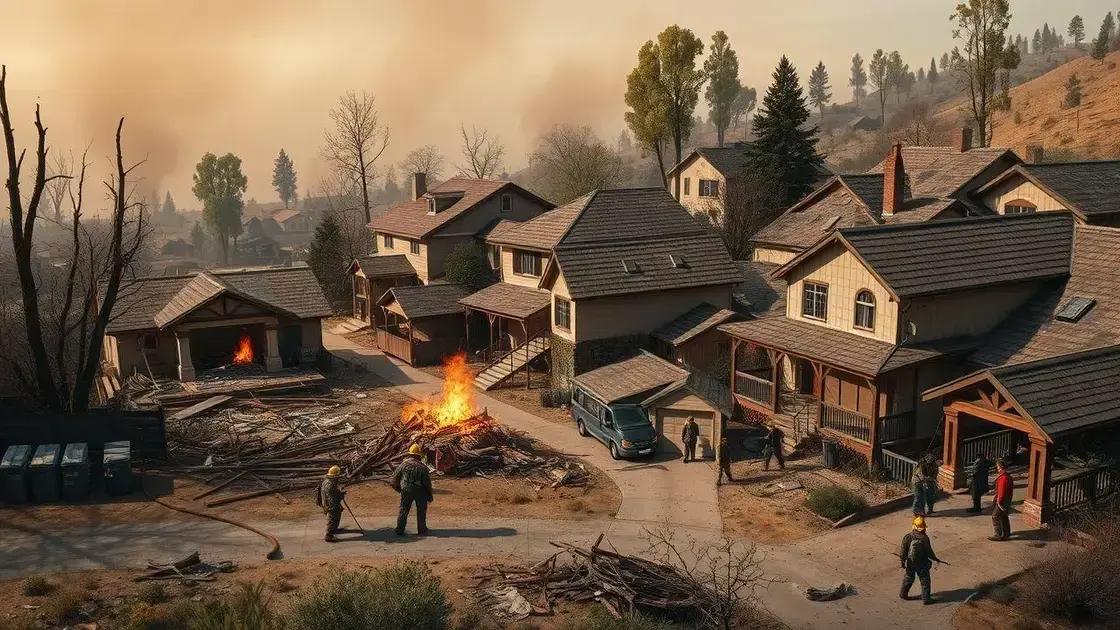
Wildfires can have a profound impact on communities, affecting not just the physical environment but also the emotional and economic well-being of residents.
Physical Damage
The immediate effect of a wildfire is often physical destruction. Homes, businesses, and infrastructure can be lost in a matter of hours. The damage can leave families displaced and in need of emergency assistance. For example, recent fires in California destroyed thousands of homes and required extensive rebuilding efforts.
Health Concerns
Another critical aspect to consider is the health impact of wildfires. Smoke from burning vegetation can lead to respiratory issues for residents, particularly those with preexisting conditions. It is essential for communities to monitor air quality and follow guidance from local health officials.
- The increase in pollution during wildfire seasons can cause serious health problems.
- Emergency services often see an uptick in medical calls related to smoke exposure.
- Long-term mental health issues may arise from the trauma associated with evacuations and property loss.
Economically, communities often face steep challenges following a wildfire. Local businesses may suffer due to closures, and property values can decline significantly. Recovery requires not only rebuilding homes but also creating a supportive environment for businesses to thrive again.
Community resilience plays a crucial role in recovery efforts. Residents often come together to support one another, offering resources and assistance. This solidarity helps communities bounce back more effectively after disasters.
Preparation is key to mitigating the impact of future wildfires. Communities that engage in proactive measures, such as fire breaks and regular emergency drills, can decrease overall damage significantly. By working together and investing in safety, communities can protect themselves against the devastating effects of wildfires.
Preventative measures and safety tips
Taking preventative measures can significantly reduce the risk of wildfires affecting your property and community. It’s crucial for residents, especially in wildfire-prone areas, to understand safety tips and implement them effectively.
Creating Defensible Space
One of the most effective ways to protect your home is by creating a defensible space around it. This involves clearing away flammable materials and vegetation. A good rule of thumb is to create at least a 30-foot buffer around your home. This space should consist of:
- Removing dry leaves and debris from gutters and roofs.
- Trimming or removing trees that are too close to the house.
- Using fire-resistant landscaping materials.
By managing the vegetation, homeowners can dramatically decrease the chances of a wildfire reaching their property.
Emergency Preparedness Plans
Having a well-thought-out emergency plan is another critical component of wildfire safety. Families should establish evacuation routes and practice them regularly. Additionally, creating a communication plan can help keep family members connected during evacuations. Make sure to include:
- Apps or tools for emergency alerts.
- Designated meeting spots outside the danger zone.
- Contact information for local emergency services.
These preparations can save lives and ensure quick action during a fire.
It’s also essential to stay informed about local fire conditions and alerts. Resources like Cal Fire and local news provide updates that are vital during fire season. Communities should engage in local prevention programs, which offer education on fire safety and response strategies. Participating in these initiatives can enhance community resilience significantly.
Finally, always keep emergency kits ready with essential supplies, including water, non-perishable food, and medical items. Being prepared can make a huge difference when wildfires threaten.
Future outlook for wildfire management
The future of wildfire management in California is evolving as new strategies and technologies emerge. These advancements aim to protect communities and natural resources from the increasing threat of wildfires.
Technological Innovations
One significant development is the use of advanced technology in monitoring fire behavior. Tools like satellite imagery and drones provide real-time data on fires. This information assists firefighters in making informed decisions. This technology allows for quicker responses to wildfires, potentially saving more homes and lives.
Climate Change Considerations
As the effects of climate change intensify, so too does the urgency for better fire management strategies. Increased temperatures and prolonged droughts contribute to more frequent and severe wildfires. Adapting to these changing conditions will require innovative approaches, including:
- Regularly updated fire risk assessments across different regions.
- Incorporating forest management practices, such as controlled burns, to reduce fuel loads.
- Enhanced community education programs to increase awareness.
Collaboration among federal, state, and local agencies is essential to develop comprehensive strategies. This collaboration should involve sharing resources and information between communities and fire agencies to build resilience.
Community involvement will be a crucial factor in future wildfire management. Local residents can participate in fire prevention efforts and engage in planning processes. This grassroots approach empowers communities to take an active role in their safety against wildfires.
Looking ahead, improving infrastructure around high-risk areas can also help mitigate the devastating impacts of future fires. Creating firebreaks, improving road access for emergency services, and ensuring adequate water supply for firefighting efforts will enhance overall preparedness.
The collective efforts to manage wildfires are crucial for protecting communities and natural landscapes. Embracing innovative technologies and adapting to climate changes will shape the future of wildfire management. Community involvement in prevention measures is essential, as is collaboration among agencies. By being proactive, residents can enhance their safety and resilience against wildfires. Each step taken today can create a safer environment tomorrow. Staying informed and prepared will help communities navigate the challenges that wildfires bring.
FAQ – Frequently Asked Questions about Wildfire Management
What are the main causes of wildfires?
Wildfires can be caused by various factors, including dry weather, human activities, and lightning strikes.
How can I prepare my home for a wildfire?
Create a defensible space around your home by clearing flammable materials, and have an emergency plan and kit ready.
What role do community programs play in wildfire prevention?
Community programs educate residents about fire safety and encourage collective efforts in fire prevention and preparedness.
How is technology improving wildfire management?
Technology enhances wildfire management through real-time data collection using drones and satellites, allowing for better response strategies.