The U.S. minimum wage impacts workers and small businesses significantly, with debates surrounding its increase focusing on poverty reduction, spending boosts, and the potential for job losses in certain sectors.
The U.S. minimum wage update is a hot topic that impacts millions of workers across the country. Have you ever wondered how it affects your paycheck? Let’s dive into the latest changes and their implications.
Current U.S. minimum wage rates by state
The current U.S. minimum wage rates vary significantly from state to state. Understanding these differences is crucial for workers and employers alike.
Minimum Wage Overview
Many states have set minimum wage rates above the federal standard, reflecting the cost of living and economic conditions. Here’s a breakdown of some key states:
- California: $15.50 per hour, one of the highest in the nation.
- New York: $15.00 per hour, a regional leader with high living costs.
- Texas: $7.25 per hour, aligned with the federal minimum.
- Florida: $11.00 per hour, with plans for increases in the coming years.
Each state’s minimum wage is influenced by various factors, including economic policies and local labor markets. For instance, states like Washington have adjusted their minimum wage in alignment with inflation to ensure that workers maintain their purchasing power.
Variations Across the States
Some states also have different rates for specific industries, such as hospitality and agriculture, allowing for more flexibility in compensation based on the nature of the job. This means that workers in sectors with traditionally lower wages may see different minimum wage rates applied.
It’s also essential to stay updated, as legislative changes can occur frequently. Tracking minimum wage increases can help workers understand their rights and potential earnings. Advocates for higher wages argue that fair compensation is essential for economic stability and the welfare of working families.
Historical changes in minimum wage legislation
The historical changes in minimum wage legislation in the United States reflect the evolving economic landscape and social values. Understanding this history helps to grasp the current state of wage laws today.
Key Milestones in Minimum Wage Legislation
The minimum wage first came into existence with the Fair Labor Standards Act (FLSA) enacted in 1938. This was a significant step toward ensuring fair compensation for workers. Over the decades, wage rates have been adjusted multiple times to keep up with inflation and changing economic conditions.
- 1968: The minimum wage reached its highest real value at $1.60, which would be equivalent to about $12.00 today when adjusted for inflation.
- 1980s: There was a notable freeze on minimum wage increases during this decade, contributing to growing income inequality.
- 1996: A significant increase raised the minimum wage to $5.15, reflecting a push for better wages.
- 2007: The minimum wage was increased to $7.25, a change that many argue hasn’t kept pace with the cost of living.
Throughout history, minimum wage laws have sparked debates about their effectiveness and impact on the economy. While some argue that a higher minimum wage fosters economic growth by boosting consumer spending, others claim it can lead to job loss and increased prices.
Recent Developments
In recent years, various states have pushed for higher local minimum wages, sometimes exceeding the federal rate. This trend reflects a growing recognition of the need for a living wage. For instance, cities like San Francisco and Seattle have implemented higher wages to support workers in high-cost areas.
The movement for a $15 minimum wage has gained traction, as advocates argue that it is essential for reducing poverty and providing workers with sustainable living standards. These changes in legislation continue to evolve, influenced by economic conditions and advocacy efforts.
Impact of minimum wage on small businesses
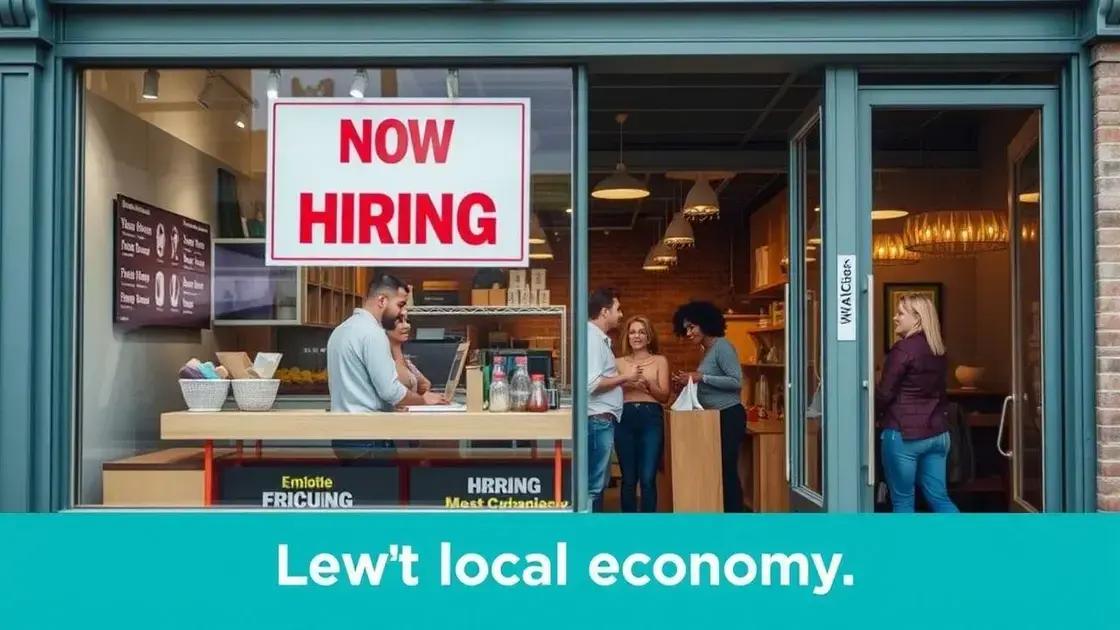
The impact of minimum wage on small businesses is a critical topic in the ongoing discussion about wage laws. Understanding how changes in minimum wage can affect these businesses is essential.
Financial Considerations
Small businesses often operate with tight budgets. When the minimum wage increases, these businesses may face higher labor costs. This can lead to several outcomes, including cutting back on hours, reducing staff, or raising prices.
- Higher labor costs: Increased wages can significantly alter the payroll budget.
- Reduction in staff: Some small businesses may hire fewer employees to manage costs.
- Increased prices: Businesses might raise prices to maintain their profit margins.
However, there can be benefits as well. An increase in minimum wage can lead to improved employee morale and retention, as workers feel valued and fairly compensated.
Buying Power and Local Economy
Moreover, higher wages can boost the purchasing power of workers. This can lead to increased spending within the local community. When employees earn more, they are more likely to spend money at nearby businesses, which supports the local economy. The ripple effect can help small businesses thrive, even after wage increases.
It’s important to note that some studies indicate that modest increases in minimum wage do not significantly harm small businesses. Instead, they may help create a more dedicated workforce. This dedication can lead to lower turnover rates and decreased hiring costs, ultimately benefiting businesses in the long run.
Arguments for and against raising the minimum wage
The debate over raising the minimum wage brings forward strong arguments from both supporters and opponents. Understanding these arguments helps inform the discussion about wage laws.
Arguments for Raising Minimum Wage
Supporters argue that increasing the minimum wage has several benefits for workers and the economy. Some key points include:
- Reduced Poverty: Higher wages can lift families out of poverty, improving overall quality of life.
- Increased Consumer Spending: When workers earn more, they spend more, boosting local businesses.
- Improved Employee Retention: Fair wages can lead to lower turnover rates, reducing the costs associated with hiring and training new employees.
Proponents of raising the minimum wage also assert that it helps create a more equitable society. By ensuring workers receive fair compensation, the wage gap can be narrowed.
Arguments Against Raising Minimum Wage
On the other side, opponents of raising the minimum wage express concerns about potential negative impacts. Some of their main arguments include:
- Job Loss: Businesses may hire fewer employees or lay off staff to manage higher labor costs.
- Increased Prices: Companies might pass on the cost of higher wages to consumers, leading to inflated prices.
- Negative Impact on Small Businesses: Small businesses with tight budgets could struggle to maintain operations.
Critics argue that rather than raising the minimum wage, policies should focus on job creation and economic growth to naturally increase wages. They believe that a healthy economy can provide better opportunities for workers without imposing wage mandates.
Both sides present compelling arguments that reflect different perspectives on how best to address income inequality and support workers. Balancing worker needs with business realities remains a significant challenge in the ongoing minimum wage debate.
Future trends in wage policy and worker rights
The future trends in wage policy and worker rights are shaping the landscape of the labor market. As society evolves, so do the expectations of workers and the responses of businesses.
Emerging Wage Policies
Many experts believe that wage policies will continue to change in response to economic conditions and social movements. Some anticipated trends include:
- Increased Minimum Wage: More states and cities may adopt higher minimum wage laws as the cost of living rises.
- Living Wage Initiatives: The concept of a living wage, which allows workers to cover basic expenses comfortably, is gaining traction.
- Pay Equity Legislation: Laws aimed at closing the gender and racial pay gaps are likely to increase.
These policies aim to create fairness in the workplace and improve the quality of life for employees.
Worker Rights Advocacy
Alongside wage changes, the rights of workers are also being re-evaluated. Advocacy groups are working tirelessly to ensure that workers are protected and treated fairly. This includes:
- Stronger Union Representation: Unions may gain more power, advocating for better wages and working conditions.
- Expanded Benefits: More companies might offer benefits such as paid family leave and flexible work arrangements.
- Protection Against Discrimination: Efforts to safeguard against workplace discrimination are expected to intensify.
As technology evolves, workers are also looking for protections related to gig economies and remote work. Many are pushing for rights that reflect the new realities of work in the 21st century.
Overall, the trends indicate a shift toward greater protections and rights for workers, along with efforts to ensure wage policies align with the cost of living and promote equity in the workplace.
In conclusion, the discussion around minimum wage is complex and multi-faceted. As we’ve seen, various factors influence wage policies and worker rights. While there are strong arguments for and against raising the minimum wage, the future seems to lean toward more equitable practices. Advocacy for worker rights and fair compensation will likely shape the policies that emerge in the coming years. By understanding these dynamics, we can better navigate the economic landscape and support fair treatment for all workers.
FAQ – Frequently Asked Questions about Minimum Wage and Worker Rights
What is the current federal minimum wage in the U.S.?
The current federal minimum wage is $7.25 per hour, though many states have set higher rates.
Why do some states have a higher minimum wage than others?
States with a higher cost of living often implement higher minimum wages to better support their workers.
What are the arguments for raising the minimum wage?
Proponents argue that it reduces poverty, increases consumer spending, and improves worker morale.
How does raising the minimum wage impact small businesses?
Raising the minimum wage can lead to increased labor costs; however, it may also boost local economies as workers spend more.