The July 2025 U.S. inflation report shows a current inflation rate of 4.2%, impacting consumer prices and spending habits, necessitating budget adjustments and strategic investments to mitigate rising costs.
The July 2025 U.S. inflation report provides a fascinating glimpse into the economic landscape. Curious about how these numbers impact your daily life? Let’s dive into the details and uncover what this means for your finances.
Overview of the July 2025 inflation report
The July 2025 inflation report offers essential insights into the current economic situation in the U.S. Understanding these numbers will help you navigate your finances better.
Key Highlights
In this report, several critical factors shape the current inflation landscape.
- Overall Inflation Rate: This indicates the average price changes across various goods and services.
- Core Inflation: Excludes volatile items like food and energy to show a clearer trend.
- Consumer Confidence: Reflects how optimistic consumers feel about the economy.
- Price Trends: Examines specific sectors where prices have risen or fallen.
Notably, the report also highlights the performance of various sectors. For instance, the energy sector experienced fluctuations, impacting overall energy prices significantly. Such changes can alter the day-to-day expenses for families and businesses alike.
Moreover, examining the factors contributing to inflation, such as supply chain disruptions and increased demand, reveals why certain items might cost more than last year. The July 2025 inflation report evaluates these issues comprehensively.
Understanding the Data
When analyzing the report, it’s crucial to look at the historical data. Comparing it to previous months and years helps put the current situation into perspective. The recurring patterns in inflation data often suggest how consumers might behave in the future.
Additionally, the actions taken by the Federal Reserve are worth noting, as they play a significant role in responding to inflation pressures. Interest rates may be adjusted to either stimulate or cool down the economy.
Overall, staying informed about the July 2025 inflation report equips individuals with the knowledge needed to make better financial decisions for themselves and their families.
Key statistics and what they mean
Understanding the key statistics from the July 2025 inflation report is vital for grasping the economic landscape. These figures help consumers, businesses, and policymakers make informed decisions.
Inflation Rate Overview
The overall inflation rate indicates how much prices have increased on average. For July 2025, this number shows significant changes from previous months.
- Current Rate: The overall inflation rate for July stands at 4.2%, highlighting a steady increase.
- Year-over-Year Changes: When comparing this to last July’s rate of 3.5%, the increase is noteworthy.
- Monthly Changes: The month-to-month rate increased by 0.5%, reflecting recent economic pressures.
Aside from the overall inflation rate, understanding core inflation provides insights into price stability. Core inflation omits food and energy prices, which can be volatile and misleading. In July 2025, core inflation was at 3.8%. This number shows a slower growth trend than the overall inflation rate, indicating that essential goods are not rising as quickly.
Consumer Price Index (CPI)
The Consumer Price Index (CPI) is another critical metric included in the report. It helps measure changes in the price level of a basket of consumer goods and services.
- Food Prices: The CPI for food increased by 6%, which is above average.
- Energy Prices: Energy costs saw a slight drop of 1.2%, balancing out the food increase.
- Housing Costs: Rent and home prices went up by 5%, affecting renter budgets significantly.
These statistics interact dynamically within the economy. For example, rising housing costs can limit disposable income, affecting spending in other areas. The July 2025 inflation report illustrates how these interconnected data points reflect broader economic trends. By understanding these statistics, consumers can adjust their financial strategies accordingly.
Comparing inflation trends with previous years
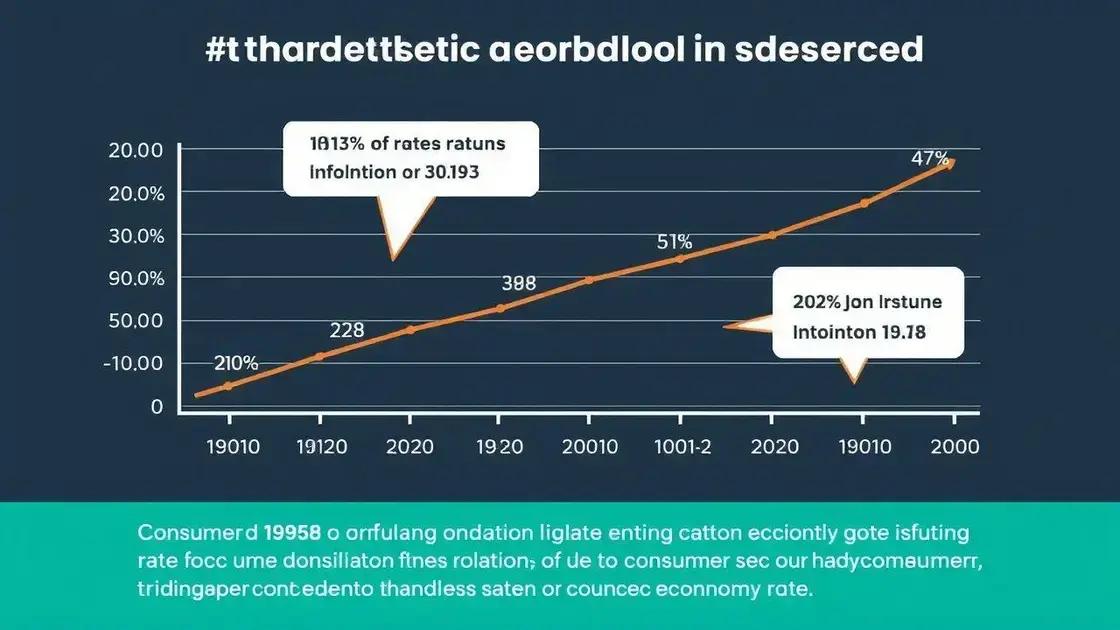
Comparing the July 2025 inflation report with previous years provides valuable context for understanding current economic conditions. Observing trends helps consumers and businesses anticipate future changes.
Inflation Over the Years
The inflation rate has varied significantly over the past few years. Analyzing these patterns reveals how economic events influence prices.
- 2023 Inflation Rate: In July 2023, the inflation rate stood at 2.5%, much lower than today, reflecting a stable economic period.
- 2024 Inflation Rate: July 2024 saw an increase to 3.8%, indicating early signs of economic pressure.
- Trends in 2025: The consistent rise to 4.2% in July 2025 shows ongoing inflationary pressures and affects consumer behavior.
These data points illustrate that inflation does not remain static. Events such as supply chain disruptions, changes in consumer demand, and shifts in policy can all lead to fluctuations. For instance, if a market feels pressure due to high demand for goods, prices can escalate quickly.
Impact on Consumers
As inflation trends change, so does their impact on spending habits. Higher inflation rates can lead consumers to change priorities. Instead of spending on luxury items, many may focus on necessities.
- Food and Essentials: In years with high inflation, families often allocate more of their budget to essential items.
- Discretionary Spending: Pricing shifts can lead to a decrease in purchases of non-essential products and services.
- Long-Term Savings: Individuals may also reconsider their savings strategies, focusing on securing their finances during uncertain times.
By examining trends over these years, it’s clear that rising inflation can lead to lasting changes in consumer behavior. The July 2025 inflation report highlights these shifts, encouraging readers to stay informed about financial strategies that can help them adapt to economic changes.
Impact on consumer prices and spending
The July 2025 inflation report has a significant impact on consumer prices and spending. As prices rise, consumers may rethink their budgets and spending habits.
Changes in Prices
When inflation increases, prices for goods and services typically follow suit. The report shows that consumer goods have risen sharply in prices. Here are some key areas affected:
- Groceries: The cost of food items has surged by 6%, affecting family budgets considerably.
- Transportation: Gas and vehicle prices have increased by 3.5%, making commuting more expensive.
- Utilities: Electricity and heating costs have also gone up by about 4%, impacting monthly bills.
Such increases directly affect how consumers allocate their spending. With higher prices for essentials, families are often forced to adjust their budgets. This leads to spending less on discretionary items, such as entertainment and travel.
Shifts in Consumer Behavior
The response to rising prices can drastically change consumer behavior. Many people may delay purchases or seek cheaper alternatives in times of high inflation. Discount stores and budget brands often see increased traffic during such periods.
- Prioritizing Needs: Consumers focus more on essential items rather than luxury goods.
- Increasing Savings: Households may decide to save more money for emergencies due to economic uncertainty.
- Changing Shopping Habits: The shift toward online shopping can become more prominent, as consumers look for better deals.
These changes showcase how the July 2025 inflation report is not just numbers; they represent real impacts on people’s lives. Understanding these dynamics can help consumers navigate the evolving economic landscape more effectively.
Future predictions based on current data
The July 2025 inflation report not only provides insights into current trends but also helps in making future predictions. Economists and analysts use this data to gauge what might happen in the coming months and years.
Projected Inflation Trends
Based on the latest statistics, experts are forming predictions regarding inflation rates. Several factors play a crucial role in these projections.
- Supply Chain Stability: If supply chains improve, inflation may stabilize or even decrease.
- Consumer Demand: Increased spending can lead to further inflation, particularly if production doesn’t keep up.
- Government Policies: Fiscal and monetary policies will likely influence inflation, particularly decisions made by the Federal Reserve.
Many analysts suggest that inflation could remain elevated in the short term. The current rate of 4.2% may not drop significantly until late 2025 or even into 2026. These predictions highlight the importance of staying informed and adaptable.
Investment Strategies in Response
With rising inflation, investors may change their strategies to protect their savings. Some individuals might turn to assets that traditionally hold value during inflationary times. Here are a few popular choices:
- Real Estate: Properties often appreciate over time, making them a strong hedge against inflation.
- Stocks: Investing in companies that can pass on costs to consumers could yield positive returns.
- Commodities: Gold and other commodities are often seen as safe investments during inflationary periods.
The July 2025 inflation report serves as a vital guide for individuals and businesses alike, offering a window into potential economic changes. By understanding these future predictions, people can make smarter choices regarding their finances and investments.
FAQ – Frequently Asked Questions about the July 2025 U.S. Inflation Report
What is the current inflation rate according to the July 2025 report?
The current inflation rate is 4.2%, indicating a rise in prices compared to previous months.
How does inflation impact consumer spending?
Inflation affects consumer spending by increasing prices for goods and services, leading people to prioritize essential items over luxuries.
What strategies can individuals use to cope with rising inflation?
Individuals can review their budgets, invest in assets that hold value, and shop smart to minimize the impact of inflation on their finances.
What are some predicted trends for inflation in the near future?
Predictions suggest that inflation may remain elevated through late 2025, influenced by factors such as supply chain stability and consumer demand.