HUD housing programs provide essential financial assistance for affordable living, helping low-income families secure stable homes through rental assistance, public housing, and various supportive services.
HUD housing plays a crucial role in providing affordable living options for millions of Americans. Have you ever wondered how these programs work and how they might benefit you? Let’s dive into the details and explore the opportunities available.
What is HUD housing?
HUD housing refers to housing programs developed by the U.S. Department of Housing and Urban Development (HUD) aimed at providing affordable living options to low-income individuals and families. These programs are essential in helping people secure stable and safe homes.
Understanding what HUD housing entails can help individuals navigate their options for affordable living. This housing assistance can come in many forms, including rental assistance, home buying programs, and public housing.
Types of HUD Housing Programs
The various HUD housing programs serve different needs and situations. Some common types include:
- Public Housing: Affordable apartments for low-income families and individuals.
- Section 8: Housing vouchers that help families afford rental costs in the private market.
- Housing Opportunities for Persons With AIDS (HOPWA): Supportive housing for those living with HIV/AIDS.
Each of these programs has specific eligibility requirements, and understanding them is crucial for those seeking assistance. For instance, public housing may require an application with proof of income and family size, while Section 8 housing vouchers must be applied for through local public housing authorities.
How HUD Housing Works
When a family qualifies for HUD housing, they may receive benefits that significantly reduce their housing costs. For example, families in the Section 8 program often pay only 30% of their income toward rent, making housing much more manageable.
This support not only creates a more stable living situation but also allows families to allocate their resources towards other necessities, such as education and healthcare. Overall, the structure of HUD housing aims to promote self-sufficiency and improve the quality of life for those in need.
In conclusion, HUD housing plays a significant role in providing affordable housing solutions. By understanding the different programs available, individuals can find the support they need to secure a stable and comfortable home.
Benefits of HUD housing programs
One of the main advantages of HUD housing programs is that they provide affordable housing options to those in need. These programs are designed to help low-income families secure safe and stable homes without overwhelming financial burden.
Additionally, HUD housing programs empower communities by promoting diversity and inclusivity. By offering assistance to a wide range of individuals, these programs contribute to vibrant neighborhoods.
Key Benefits of HUD Housing Programs
There are several key benefits associated with these programs that can significantly impact households:
- Reduced Rent Costs: Rent in HUD-supported housing typically costs less than market rates, allowing families to save money.
- Stability: Affordable housing options reduce the risk of homelessness and provide security for families.
- Access to Resources: Many HUD programs connect families with educational resources, job training, and financial counseling.
As families settle into HUD housing, they often experience improved mental and physical health, as stable housing is linked to better overall well-being. Low-income families can spend less time worrying about their housing situation and more time focusing on family and personal growth.
Furthermore, HUD programs often prioritize community building and support networks. By fostering connections among residents, they enable families to create lasting relationships and cultivate a sense of belonging. This support system can be invaluable, especially during difficult times.
In summary, the benefits of HUD housing programs extend beyond affordable rent; they encompass community support, stability, and overall empowerment for families striving for a better quality of life.
Eligibility requirements for HUD housing
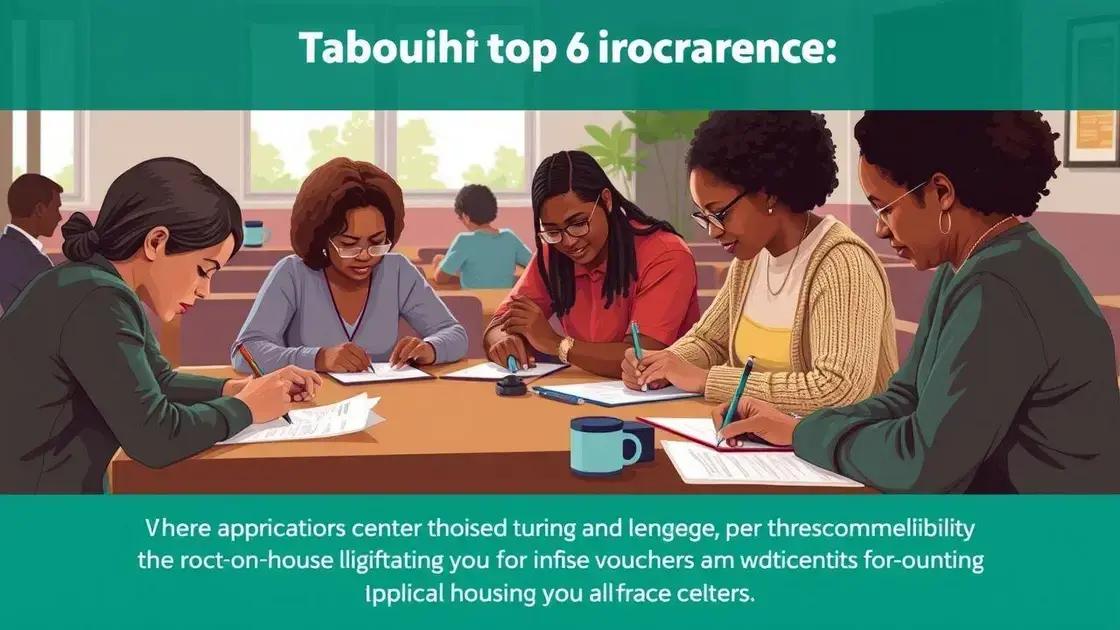
Understanding the eligibility requirements for HUD housing is essential for anyone seeking affordable housing options. These requirements help ensure that assistance reaches those who need it most. Typically, eligibility is based on factors like income, family size, and citizenship status.
Most HUD programs require that applicants have a household income that falls below a certain threshold. This threshold varies depending on the location and the specific program. It is important to check the local income limits to determine if you qualify. Income calculations can include wages, Social Security payments, and other sources of revenue.
Common Eligibility Criteria
Many HUD programs share similar criteria, including:
- Income Limits: Households must earn less than a specific income level, often set at 50% or 80% of the area median income.
- Family Status: Most programs prioritize families, which can include single parents and individuals with children.
- Citizenship: Applicants typically must be U.S. citizens or have eligible immigrant status.
In addition to these criteria, applicants may also be screened for prior evictions or criminal activity, depending on the program. Some HUD programs aim to assist those experiencing homelessness or those leaving domestic violence situations. Understanding these criteria can help individuals better prepare their applications and improve their chances of receiving assistance.
Additionally, individuals can check with local public housing authorities for specific guidelines and programs available in their area. Many authorities provide workshops and resources to help potential applicants navigate the process, ensuring they meet the necessary qualifications. This assistance can offer guidance in submitting an effective application.
How to apply for HUD assistance
Applying for HUD assistance can seem daunting, but knowing the steps can simplify the process significantly. The first step is to determine which specific HUD program best fits your needs. Each program may have different requirements and application processes, so it’s essential to gather relevant information.
Once you know which program you’re interested in, the next phase is to prepare the necessary documents. Commonly required documents include proof of income, identification, and information about your household size. Ensuring you have all these documents ready can help streamline your application.
Steps to Apply for HUD Assistance
Follow these essential steps when applying:
- Contact Local Housing Authority: Reach out to your nearest public housing authority to inquire about available programs and application processes.
- Fill Out the Application: Complete the application form, providing accurate and detailed information about your household.
- Submit Required Documents: Attach all necessary documents as specified by the housing authority. Make sure everything is organized and complete.
Once your application is submitted, it may take some time to be processed. During this period, you might be contacted by the housing authority for additional information. It’s crucial to respond quickly to any inquiries to avoid delays in your application.
Additionally, some HUD programs utilize waiting lists due to high demand for assistance. If you find yourself on a waiting list, it’s essential to stay informed about your status and keep your contact information updated with the housing authority.
Finally, consider reaching out to local nonprofit organizations that assist with the application process. Many of these organizations offer resources and guidance to help make the process more accessible.
Common misconceptions about HUD housing
Many people have misconceptions about HUD housing that can create confusion or prevent them from accessing valuable resources. One common myth is that HUD housing is only for the homeless or those in extreme poverty. In reality, HUD programs assist a range of families and individuals, including those who may simply need help with affordability.
Another misconception is that HUD housing is of low quality. Many HUD-assisted properties are well-maintained and provide safe living environments. Housing authorities work to ensure that all properties meet certain standards, promoting comfort and safety for residents.
Dispelling Common Myths
Understanding the truth behind these misconceptions is crucial for individuals seeking assistance. Here are some common myths debunked:
- Myth: HUD housing is government handouts. Fact: Many HUD programs help residents afford rent in privately owned housing rather than offering free housing.
- Myth: The application process is overly complicated. Fact: While it may seem challenging, resources are available to help applicants navigate the process step-by-step.
- Myth: Only certain types of people can qualify. Fact: HUD programs are open to a diverse range of individuals and families who meet the eligibility criteria.
Additionally, some believe that receiving HUD assistance means facing stigma or judgment from others. In actuality, many families benefit from the support that HUD provides, and assistance programs are a way to help individuals gain stability in their lives.
By addressing these misconceptions, more individuals may feel encouraged to explore the assistance options available through HUD. It is essential to have accurate information to make informed decisions about housing options.
FAQ – Frequently Asked Questions about HUD Housing
What types of assistance does HUD provide?
HUD offers various programs, including rental assistance, public housing, and home buying programs, aimed at helping low-income families secure affordable housing.
Who is eligible for HUD housing assistance?
Eligibility typically depends on income, family size, and citizenship status. Many programs are open to low-income families and individuals.
How can I apply for HUD housing assistance?
To apply, contact your local housing authority, gather necessary documents, and fill out the application for the specific HUD program you are interested in.
Are there any common misconceptions about HUD housing?
Yes, some people believe HUD housing is only for the homeless or that it’s of poor quality. In fact, HUD housing supports a range of individuals and provides safe, quality homes.