U.S. restrictions on TikTok are primarily driven by national security and data privacy concerns, impacting users and content creators by potentially limiting engagement and sponsorship opportunities.
U.S. restrictions on TikTok are stirring up quite a debate. Have you ever wondered how these regulations affect your daily scrolling? Let’s dive into the ramifications.
Understanding the current U.S. restrictions on TikTok
Understanding the current U.S. restrictions on TikTok is essential for users and creators who rely on the app for expression and connection. These restrictions stem from national security concerns and aim to address various issues regarding data privacy.
Reasons Behind the Restrictions
The U.S. government cites worries about how TikTok handles user data. For instance, there are fears that the app’s parent company, ByteDance, might share data with the Chinese government. This has raised alarms about user privacy.
- Concerns about data privacy and misuse.
- Potential influence on American users’ behavior.
- National security implications for the U.S.
Furthermore, some policymakers believe that TikTok could be used to spread misinformation. These restrictions reflect a broader trend of scrutinizing foreign tech companies. It’s not just TikTok; other Chinese apps also face similar challenges.
Impact on Users
Many creators and regular users are grappling with how these restrictions affect their experience on TikTok. As a creative platform, TikTok allows users to express themselves, but these regulations can limit their reach.
Users may encounter:
- Restricted access to certain features.
- Potential account suspensions or bans.
- Changes in app functionality.
As users adapt, they must remain aware of how these restrictions could evolve. Staying informed can help creators strategize and maintain their presence on the platform.
Impact on TikTok users and content creators
The impact on TikTok users and content creators due to recent U.S. restrictions is significant. As these regulations unfold, many creators are facing uncertainty about their future on the platform. Content creators thrive on engagement and audience interaction, and any limitation affects both their creativity and livelihood.
Effects on Engagement
One major concern is the potential decline in user engagement. With certain features possibly being restricted or modified, creators may find it challenging to maintain their previous levels of interaction.
- Limited access to trending sounds and effects.
- Changes in algorithm visibility for content.
- Potential reduction in followers due to confusion or frustration.
As creators adapt to these changes, they may need to explore new content strategies. This includes shifting their focus to other platforms or developing unique content that aligns with user expectations under the new regulations.
Financial Implications
Many TikTok creators rely on partnerships and sponsorships as significant income sources. The current restrictions create uncertainty around advertising potential on the platform. Brands often hesitate to invest in a platform facing scrutiny.
Creators might experience:
- Reduced sponsorship opportunities.
- Possible financial instability if relying solely on TikTok.
- Increased competition as users migrate to other platforms.
As the landscape of social media continues to shift, creators must stay agile and open to change. Building a diverse online presence can help mitigate these challenges while fostering community connections.
Comparisons with other countries’ approaches
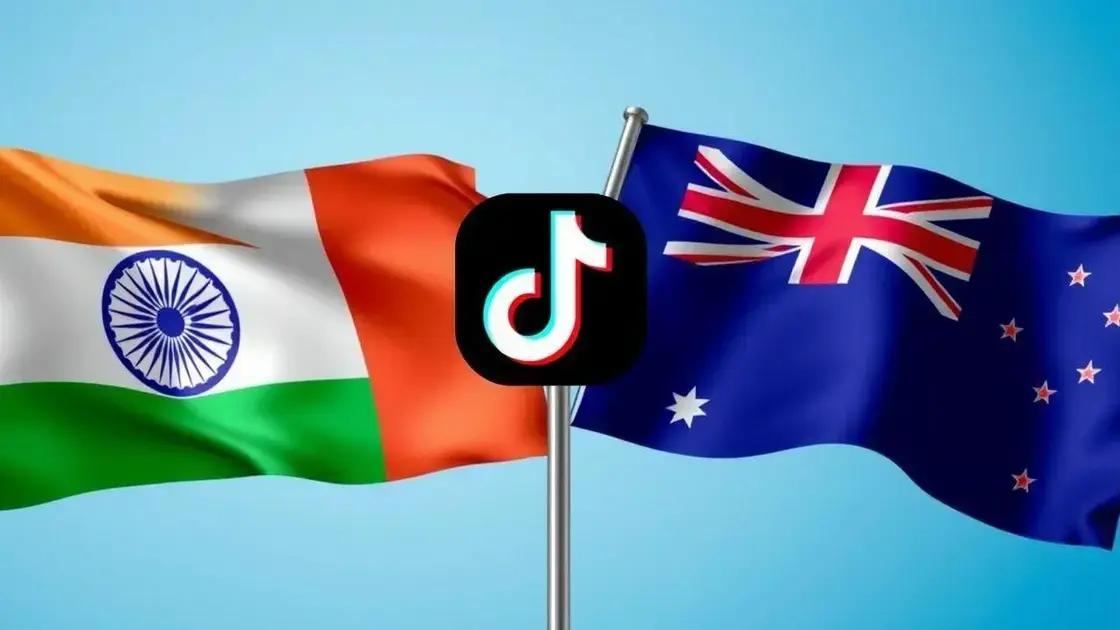
Comparing the U.S. restrictions on TikTok with approaches taken by other countries reveals interesting insights. Many nations have adopted different methods to address their concerns regarding the app and its impact on users.
Different Regulatory Approaches
Countries like India have outright banned TikTok, citing national security and data privacy concerns as primary reasons. In contrast, several countries are exploring regulations rather than outright bans, aiming to mitigate risks while allowing users access to the platform.
- India: Complete ban on TikTok due to data security fears.
- European Union: Promoting stronger data protection regulations for all tech companies.
- Australia: Proposing reviews and recommendations for managing foreign apps, including TikTok.
While some nations have favored bans, others are looking towards creating a framework that mandates transparency from companies like TikTok. This involves requiring apps to disclose how they collect and use data from users.
Impact of Regulations
These varied approaches show how countries prioritize user safety and data privacy differently. For instance, the EU’s policies could influence TikTok’s operations significantly, pushing for <>stronger accountability measures compared to the U.S. The concern for misinformation and data use also plays a major role globally.
The balance between user freedom and safety is a key theme in these international discussions. Understanding how different governments manage TikTok can provide insights into possible future trends in U.S. policy as well.
Legal challenges faced by TikTok in the U.S.
The legal challenges faced by TikTok in the U.S. are significant and complex. These challenges arise from multiple fronts, including national security concerns, data privacy issues, and regulatory scrutiny.
National Security Concerns
One of the primary legal hurdles for TikTok is the U.S. government’s view of the app as a potential threat to national security. Lawmakers worry that data collected from American users could be accessed by the Chinese government due to TikTok’s ownership by ByteDance.
- Possible data sharing with foreign entities.
- Concerns about user privacy and data protection.
- Legal actions aimed at banning the app outright.
This atmosphere of uncertainty leads to ongoing investigations and policy discussions, affecting both TikTok’s operational strategy and its user base.
Regulatory Scrutiny
Alongside national security issues, TikTok faces scrutiny from various regulatory bodies. These organizations aim to ensure that TikTok complies with U.S. laws, especially regarding user data and advertising practices.
Regulations could include:
- Stricter data protection requirements.
- Increased transparency in user data handling.
- Potential fines for failing to comply with regulations.
As TikTok navigates these legal waters, it must adapt to changing regulations while addressing user concerns and maintaining its popularity as a social media platform. Legal challenges not only impact TikTok’s operations but also shape the broader conversation about data privacy in the digital age.
Future outlook for TikTok and its users in the U.S.
The future outlook for TikTok and its users in the U.S. is uncertain yet intriguing. As the app faces various challenges, it also holds potential for growth and adaptation in the dynamic social media landscape.
Adapting to Regulations
One major factor influencing TikTok’s future will be its ability to navigate the evolving regulatory environment. As lawmakers continue to scrutinize the app, TikTok may need to implement changes to its data management practices.
- Enhancing user data protection measures.
- Increasing transparency about data usage.
- Potential collaborations with U.S. firms to address security concerns.
These adaptations may help TikTok maintain a foothold in the market while reassuring users about their safety and privacy.
Engagement Trends
Another important aspect is the shifting trends in user engagement. TikTok’s popularity remains high, especially among younger audiences. However, user preferences are always changing. Keeping content fresh and relevant will be crucial for success.
Create engaging content by:
- Incorporating trending challenges and formats.
- Focusing on authenticity and community engagement.
- Experimenting with new features as they are released.
By staying attuned to these trends, TikTok can capture and retain user interest, fostering a loyal community even amidst challenges.
Competition in the Social Media Landscape
The rise of competing platforms also shapes TikTok’s future. Other apps are vying for the attention of users, raising the stakes for content creators.
To remain competitive, TikTok must:
- Offer unique features that set it apart.
- Invest in tools that empower creators.
- Foster partnerships with brands for innovative campaigns.
As the app adapts to these various influences, its future will depend on its capacity to innovate and respond to user needs in an ever-changing digital world.
In looking ahead, the future of TikTok in the U.S. is filled with both challenges and opportunities. The app must navigate ongoing legal and regulatory pressures while also adapting to changing user preferences. By focusing on data privacy, fostering community engagement, and staying competitive against other platforms, TikTok has the potential to thrive. As it evolves, creators and users alike will play a crucial role in shaping its journey. Finding innovative ways to connect and share will be essential in this rapidly changing digital landscape.
FAQ – Frequently Asked Questions about TikTok Restrictions in the U.S.
What are the main concerns regarding TikTok in the U.S.?
The main concerns include data privacy, national security, and the potential for misinformation affecting users.
How might U.S. regulations impact TikTok content creators?
U.S. regulations could limit features for creators, affect engagement, and create uncertainty about sponsorships and monetization.
What approaches are other countries taking regarding TikTok?
Some countries have banned TikTok outright, while others are implementing regulations to ensure data protection and transparency.
What can TikTok do to adapt to future challenges?
TikTok can improve data protection measures, enhance user engagement, and innovate features to remain competitive in the social media market.