Stimulus checks are direct payments from the government designed to provide financial relief to individuals and families, boosting economic recovery by increasing consumer spending.
Stimulus check programs have become a hot topic in recent years, especially among those looking for financial relief. Have you wondered how these checks impact your financial situation? Let’s dive into the details and demystify this important aid.
Understanding stimulus checks
Understanding stimulus checks can help you navigate the financial support available to you. These payments are part of government efforts to provide economic relief during tough times. Many people wonder how these checks are calculated and who is eligible.
What Are Stimulus Checks?
Stimulus checks are direct payments issued by the government to stimulate the economy. They aim to help individuals and families cope with financial hardships. These payments can vary in amount based on various criteria.
Eligibility for Stimulus Checks
Several factors determine your eligibility. Here are key points to consider:
- Your income level
- Filing status (single, married, etc.)
- Number of dependents
- Citizenship status
Most eligible individuals receive a stimulus check automatically, but some may need to take action to claim theirs. It’s essential to understand how to access this aid and ensure you receive the support you need.
How Much Will You Get?
The amount you receive in a stimulus check depends on your adjusted gross income (AGI). Generally, lower-income individuals receive larger checks. For example, individuals earning less than a specified amount typically qualify for the full payment. Those with higher incomes may receive smaller amounts or none at all.
Consulting the IRS website can provide precise figures related to your situation. Be sure to check for updates related to current and future payments that may be impacted by legislation.
Who qualifies for a stimulus check?
Knowing who qualifies for a stimulus check is crucial for accessing the financial aid you need. These checks are intended to assist individuals and families during times of economic struggle. Eligibility varies based on income, filing status, and other criteria.
Income Requirements
One primary factor in determining stimulus check eligibility is your income level. Generally, individuals earning below a specific threshold qualify for the full payment. Families with dependents may receive larger amounts. Checking your adjusted gross income (AGI) is essential.
Filing Status
Your filing status also plays a significant role in eligibility. For example:
- Single filers have different thresholds than married couples.
- Head of household filers can qualify for increased payments.
- Filing married jointly may combine incomes for total eligibility assessment.
Understanding these distinctions can help you determine where you stand in the application process.
Dependents
Another critical aspect is whether you have dependents. If you claim children or other dependents on your tax return, you may receive additional funds with your check. This benefit aims to help families manage their expenses more effectively.
Specific rules can change with new legislation, so it’s wise to refer to official IRS announcements regularly. Keeping yourself informed can ensure that you do not miss out on potential aid from a stimulus check.
How to claim your stimulus check
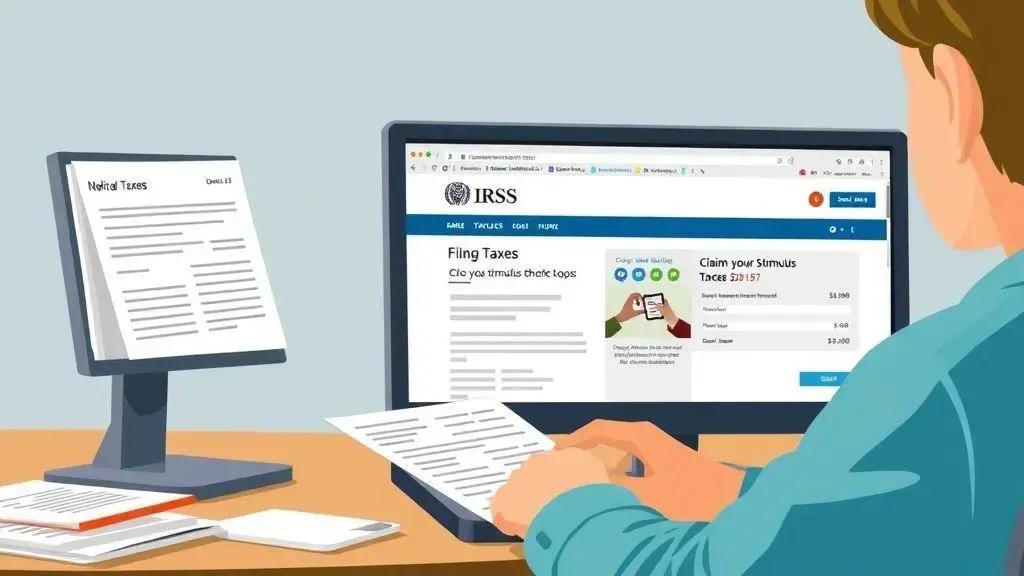
Claiming your stimulus check can be straightforward if you know the steps to follow. Many people may be unsure of how to start the process. Understanding the requirements and following the right procedures will help you secure your payment without hassle.
Check Your Eligibility
Before you claim a stimulus check, ensure that you are eligible. This includes verifying your income level, filing status, and whether you have any dependents. Eligibility criteria can change with new legislation, so it’s essential to stay updated.
Gather Required Information
To claim your check, you will need specific information. Make sure you have:
- Your Social Security number
- Income records (such as tax returns)
- Bank account details for direct deposit
- Filing status information
Having this information ready can speed up the process and help you avoid delays.
How to File Your Claim
If you qualify but have not received your stimulus check, you can file a claim with the IRS. You can do this through their website or by using the appropriate form when you file your taxes. Make sure to follow the instructions carefully to ensure your claim is successful.
During tax season, you can also include your stimulus check claim on your tax return. The IRS often provides a worksheet or online tool to help guide you through this process.
Track Your Payment
After you have submitted your claim, it’s essential to track your payment. The IRS provides a tool called the “Get My Payment” portal that allows you to check the status of your payment. Enter your information, and it will let you know if your check is on the way.
By following these steps, you can confidently claim your stimulus check and receive the financial assistance you need during challenging times.
Impact of stimulus checks on the economy
The impact of stimulus checks on the economy is significant and multi-faceted. These payments are designed to boost consumer spending, which is essential for economic recovery during downturns. When people receive direct payments, they often spend money on immediate needs, such as groceries and bills.
Increased Consumer Spending
One of the most immediate effects of stimulus checks is the increase in consumer spending. When individuals receive their checks, many choose to spend a portion on:
- Basic necessities like food and clothing
- Paying off debts, such as credit card bills
- Home improvement projects
- Local services like dining and entertainment
This surge in spending helps local businesses and stimulates various sectors of the economy.
Support for Local Businesses
As consumers spend their stimulus checks, local businesses often see an uptick in sales. This can be crucial for small businesses that may struggle during economic downturns. Increased sales lead to more revenue, helping businesses to stay open and retain employees.
Moreover, when local businesses thrive, they contribute to job creation and stability, fostering a healthier economy.
Economic Recovery
The broader effect of stimulus checks can be seen in the overall economy. By promoting consumer spending, these payments support economic recovery efforts. Increased spending can lead to higher demand for goods and services, encouraging production and investment.
Additionally, economic recovery helps to reduce unemployment rates, allowing more people to return to work. This chain reaction plays a vital role in stabilizing the economy over time.
Future of stimulus checks in the US
The future of stimulus checks in the US remains uncertain but full of potential. With ongoing economic challenges, policymakers are continually discussing the role of direct payments as a tool for economic relief. As we look ahead, the conversation about stimulus checks is likely to evolve.
Potential Legislations
Lawmakers are considering new legislation that could lead to additional stimulus checks. Proposals often focus on providing targeted assistance to those most in need. This targeted approach aims to ensure that resources go where they can make the most difference.
Public Opinion
Public support for stimulus checks also influences future decisions. Many individuals believe that additional payments can help stabilize the economy and provide necessary support. Surveys indicate that a significant portion of the population favors continued financial assistance during periods of economic stress.
Economic Conditions
As economic conditions change, so too does the conversation around stimulus checks. If inflation continues or job market instability persists, the push for additional payments may grow stronger. Policymakers will take stock of these factors when considering future legislation.
The discussions surrounding the future of stimulus checks highlight their potential importance in navigating economic recovery. Monitoring these developments will be crucial for understanding how future financial support may impact individuals and the broader economy.
In conclusion, stimulus checks have played a crucial role in supporting individuals and families during challenging economic times. They provide immediate financial relief, boost consumer spending, and help local businesses thrive. As we look to the future, lawmakers are likely to continue debating the effectiveness and necessity of these payments. Public opinion and economic conditions will greatly influence any potential changes to the program. Staying informed about these developments is essential for maximizing the benefits of financial assistance and understanding its impact on the economy.
FAQ – Frequently Asked Questions About Stimulus Checks
What are stimulus checks?
Stimulus checks are direct payments made by the government to support individuals and families during economic hardship.
Who qualifies for a stimulus check?
Eligibility typically depends on income level, filing status, and whether the individual has dependents.
How can I claim my stimulus check?
You can claim your stimulus check by filing your taxes and ensuring all eligibility criteria are met. Check the IRS website for details.
What impact do stimulus checks have on the economy?
Stimulus checks boost consumer spending, support local businesses, and can help drive economic recovery.